
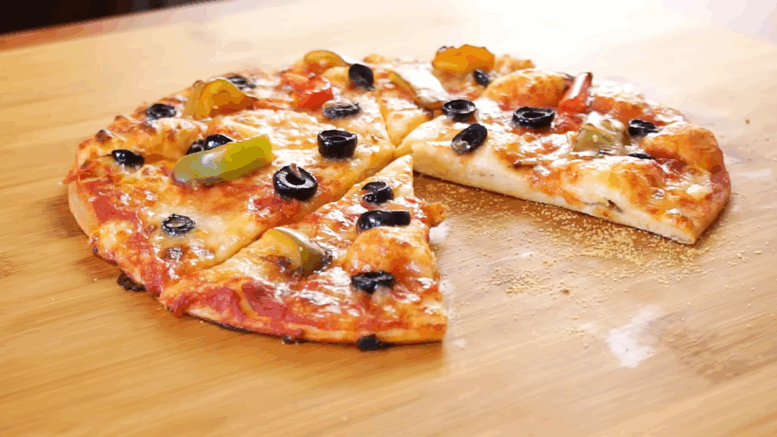
Low-Calorie Gluten-Free Pizza Crust: Your Guilt-Free Slice of Heaven
Let’s be honest — we all crave pizza. That warm, cheesy, slightly crispy bite is pure comfort. But when we’re trying to eat healthier, reduce calories, or stay gluten-free, traditional pizza crust can feel off-limits. The good news? It doesn’t have to be.
In this guide, we’re diving deep into how we can enjoy pizza without the guilt by mastering the low-calorie, gluten-free pizza crust. Whether you’re gluten-sensitive, watching your macros, or just looking for a lighter alternative, we’ll show you how to create a crust that’s both delicious and wholesome.
Why Go Gluten-Free and Low-Calorie?
For some of us, gluten-free isn’t just a trend — it’s a necessity. Gluten, a protein found in wheat, barley, and rye, can cause digestive issues or inflammation for people with sensitivities or celiac disease.
Even if we don’t have gluten intolerance, switching to gluten-free crusts can offer benefits:
- They’re often easier to digest.
- They can reduce bloating.
- And many recipes are naturally lower in carbs and calories.
Now, when we combine that with a low-calorie approach, it’s a win-win — pizza that fuels our body instead of weighing us down.
The Core Ingredients That Make It Work
When creating a low-calorie gluten-free pizza crust, every ingredient counts. We want lightness, texture, and flavor — without unnecessary calories or gluten. Here’s what we can use:
1. Gluten-Free Flours
The base of our crust. Here are a few of the best options:
- Almond flour – adds a nutty flavor, high in protein and healthy fats.
- Oat flour – mild flavor, adds softness, and keeps calories in check.
- Coconut flour – low in carbs, high in fiber, but absorbs a lot of moisture.
- Rice flour – neutral taste, great for structure.
Pro tip: Combining two flours often gives the best texture. For example, almond + oat flour or rice + coconut flour.
2. Binders
Since gluten gives elasticity to dough, we need a replacement to hold our crust together.
Try:
- Eggs – for binding and moisture.
- Ground flaxseed or chia seeds – vegan alternative and adds fiber.
- Psyllium husk powder – gives that classic “stretchy” pizza feel.
3. Liquids
Water or milk (dairy-free if needed), a bit of olive oil, and sometimes Greek yogurt can help achieve that soft, chewy consistency.
4. Seasonings
Don’t forget flavor! A mix of garlic powder, Italian herbs, and a pinch of salt can turn a bland base into something truly crave-worthy.
Our Favorite Recipe: Simple Low-Calorie Gluten-Free Pizza Crust
Ready to bake? Let’s go step by step.
Ingredients (for one medium pizza):
- 1 cup almond flour
- ¼ cup coconut flour
- 2 large eggs (or 2 tbsp flaxseed + 6 tbsp water for vegan version)
- 1 tbsp olive oil
- ½ tsp baking powder
- ½ tsp salt
- ½ tsp garlic powder
- 1 tsp dried oregano or Italian seasoning
- 2–3 tbsp water (adjust for dough texture)
Instructions:
- Preheat your oven to 400°F (200°C).
Line a baking sheet with parchment paper. - Mix dry ingredients – almond flour, coconut flour, baking powder, and seasonings.
- Add wet ingredients – eggs, olive oil, and water (start with 2 tbsp).
Stir until the mixture forms a soft, slightly sticky dough. - Form the crust.
Place the dough between two sheets of parchment paper and roll it out to about ¼ inch thick. - Prebake the crust for 10–12 minutes until it starts to turn golden.
- Add toppings – sauce, cheese, veggies, lean meats, or whatever fits your plan.
- Bake again for another 8–10 minutes until everything is bubbly and crisp at the edges.
That’s it! A low-calorie, gluten-free crust that’s flavorful, firm, and satisfying.
How Many Calories Are We Talking About?
Let’s break it down roughly per serving (assuming one pizza makes 2 servings):
| Ingredient | Calories |
|---|---|
| Almond flour (½ cup) | ~320 |
| Coconut flour (⅛ cup) | ~60 |
| 1 egg | ~70 |
| Olive oil (1 tbsp) | ~120 |
| Seasonings & baking powder | negligible |
| Total per serving (½ pizza) | ~285 calories |
Compare that to traditional pizza dough (which averages 400–500 calories per serving), and we’re easily saving over 200 calories — without sacrificing taste.
Alternative Versions Worth Trying
One of the most popular low-calorie options. It’s naturally gluten-free, high in fiber, and surprisingly crisp. You just need:
- Riced cauliflower
- Egg or flaxseed binder
- A little cheese or almond flour for structure
Great for those who want fewer carbs and a lighter texture.
2. Greek Yogurt + Oat Flour Crust
This combo is both high in protein and easy to make.
Just mix:
- 1 cup oat flour
- ¾ cup Greek yogurt
- ½ tsp baking powder
Knead and bake — simple and fluffy.
3. Chickpea (Garbanzo) Flour Crust
A slightly nutty flavor, high in protein, and perfect for thin-crust lovers.
It’s also one of the most filling options.
Tips for the Perfect Gluten-Free Pizza Crust
Creating a gluten-free dough takes a little practice, but these tips make a huge difference:
- Don’t skip prebaking! It prevents sogginess.
- Let the dough rest – gluten-free flours absorb moisture slowly.
- Use parchment paper – makes handling the dough so much easier.
- Watch the baking time – almond and coconut flour can brown faster.
- Keep it thin for a crispier finish.
And most importantly — don’t expect it to taste like wheat crust. It’s different, but in a good way — lighter, nuttier, and more wholesome.
Topping Ideas That Keep It Low-Calorie
Even the healthiest crust can turn into a calorie bomb if we’re not careful with toppings.
Here are some ideas that balance flavor and nutrition:
- Sauce: Sugar-free tomato sauce, or even pesto made with olive oil and basil.
- Cheese: Go light — mozzarella, feta, or part-skim ricotta.
- Protein: Grilled chicken, turkey pepperoni, or shrimp.
- Veggies: Bell peppers, mushrooms, spinach, onions, or zucchini.
- Extras: Sprinkle of chili flakes, or a drizzle of balsamic glaze for that gourmet touch.
Highlight: The beauty of homemade pizza is that we’re in control — both of the ingredients and the calories.
Storage and Meal Prep Tips
If we’re making pizza a regular part of our meal plan (and why not?), it’s smart to prep ahead.
- Make and freeze the crusts.
Prebake them, let them cool, then freeze. They’ll last up to a month. - Reheat directly from frozen.
Bake for 10–12 minutes at 375°F until warm and crisp. - Double the recipe so we always have a base ready for quick dinners.
That way, healthy pizza night is always just minutes away.
Final Thought
Healthier doesn’t mean boring…
Eating healthy isn’t about giving up the foods we love — it’s about finding smarter ways to enjoy them. A low-calorie, gluten-free pizza crust lets us have our comfort food while still staying true to our goals.
With the right ingredients and a little creativity, we can enjoy that same crispy, chewy bite — without the post-pizza guilt.
So next time the craving hits, skip the takeout and bake your own crust. You’ll save calories, feel great, and maybe even discover that healthy pizza tastes better than you imagined.
Quick Recap:
✅ Gluten-free and light on calories
✅ Simple ingredients, easy to make
✅ High in fiber and protein
✅ Customizable with endless toppings
So go ahead — roll up your sleeves, preheat the oven, and bake your best low-calorie gluten-free pizza crust yet.
Enjoy your meal! 🍕
Can’t wait to hear how yours turned out — drop me a comment below!
Thanks for being here! If you enjoyed the recipe, don’t forget to share it with your friends.
And if you’re still hungry for more, take a look at our earlier recipes — you might just find your next favorite!
Homemade Tombstone Pizza Sauce That Tastes Just Like the Original!
Keto Pizza Made Easy: 3 Gluten-Free Crusts That Taste Like the Real Thing!
Crispy, Cheesy, Guilt-Free: How to Make the Best Low-Carb Pizza Dough at Home!
Be the first to comment on Crispy, Chewy, and Light: Your Perfect Low-Calorie Pizza Crust